
Real Estate
4 in critical condition after fire breaks out at Rogers Park townhouse
By Mark Thompson
Advertisement · Why this ad?
Aaron Chen is a seasoned sports journalist with a Bachelor’s degree from Columbia College Chicago. He has reported for NBC Sports Chicago, where he built a reputation for his in-depth analyses of the Chicago Bulls and Cubs.
More from Aaron →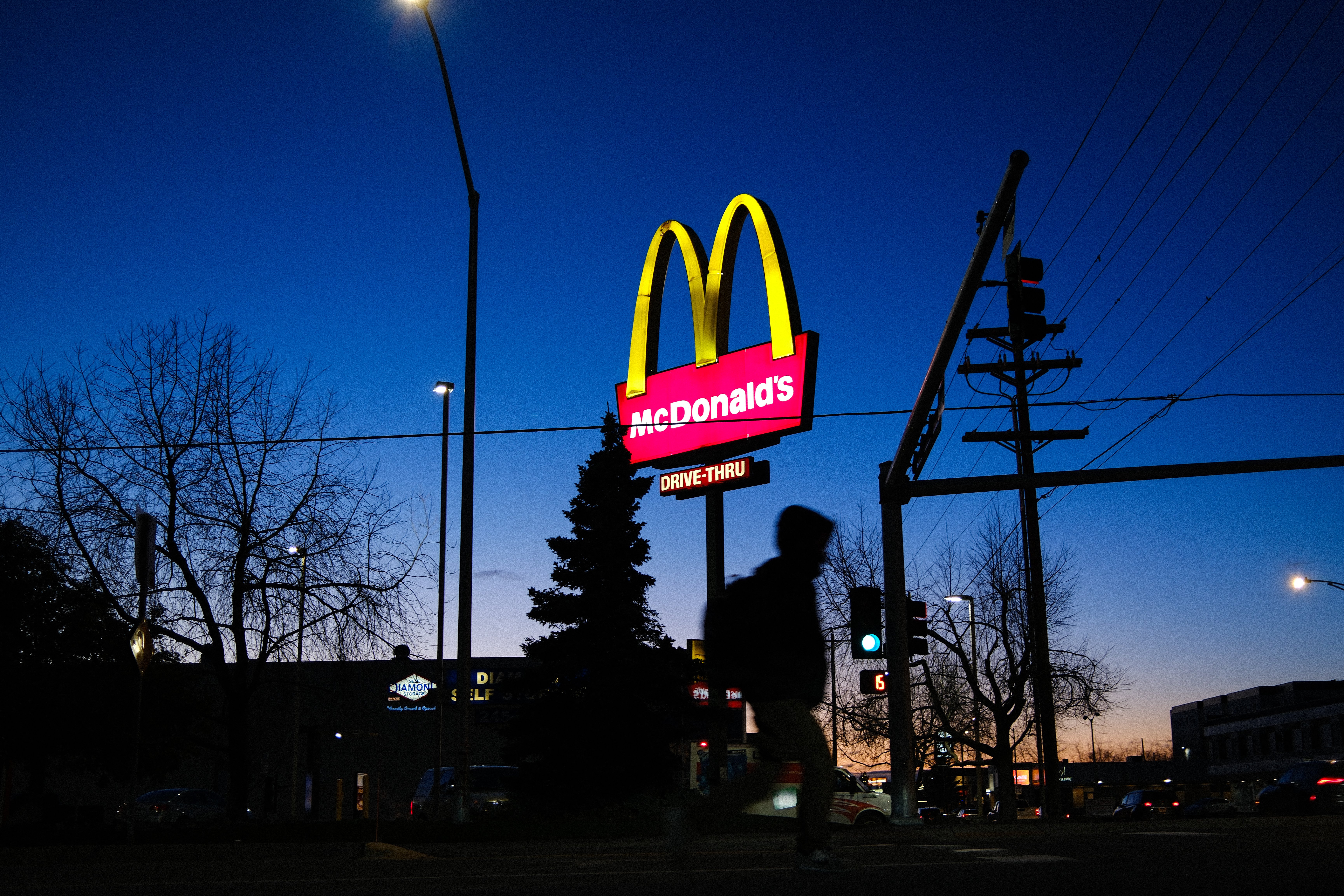
As the sun dipped below the horizon, casting a golden hue over Chicago's bustling streets, families flocked to their local McDonald's, their laughter mingling with the sizzle of fries in the fryer. But a new reality is setting in: the familiar sounds of children’s excitement and the rustle of paper bags are becoming less common. With the rising cost of living weighing heavily on many households, visits to the iconic fast-food chain are dwindling.
In a recent conference call, McDonald's Chairman and CEO Chris Kempczinski revealed that the company is facing a significant challenge. The third quarter of 2026 saw a 0.2% drop in same-store sales, marking the first decline since early 2025. This downturn, while slightly better than the anticipated 0.5% drop, underscores a troubling trend for the fast-food giant as it grapples with a shifting economic landscape.
To combat this decline, McDonald's is set to launch new value-oriented meal bundles early next year. These bundles, which include options like a McChicken sandwich and small fries for just $3.50, are part of an eight-week test currently underway at 1,900 U.S. locations. However, approximately 4,000 franchisees have taken matters into their own hands, introducing their own meal bundles in response to the changing customer needs.
“Customers should see a clear and compelling value proposition every time they consider McDonald’s,” Kempczinski stated, emphasizing the importance of affordability in today’s economy. This shift reflects a broader trend within the fast-food sector, where rising gas prices and the overall cost of living are forcing many consumers to rethink their dining choices.
The impact of McDonald's declining customer visits is felt far beyond the restaurant's walls. For many families in Chicago, a trip to McDonald's is not just about the food; it's a cherished tradition, a moment of togetherness amid the hustle and bustle of daily life. As the cost of living rises, however, these outings are becoming less frequent.
Local resident Maria Rodriguez, a mother of three, shared her concerns: “We used to go to McDonald's every Sunday after church. It was our little family ritual. Now, with everything getting so expensive, we have to cut back.” Rodriguez's sentiment is echoed by many in the community who find themselves navigating the tightrope of budgeting while still trying to provide joy for their children.
Moreover, the fast-food industry plays a significant role in the local economy. With over 95% of McDonald's restaurants in the U.S. being franchise-owned, the repercussions of declining sales ripple through local communities, affecting employment and small business health. Franchise owners, who are often integral parts of their neighborhoods, are now facing tough decisions about staffing and inventory as they try to adapt to the changing consumer landscape.
Franchisees are not waiting idly for corporate solutions. Many have taken the initiative to create their own meal bundles, recognizing the urgency of the situation. This grassroots approach highlights the entrepreneurial spirit that defines the McDonald's franchise model, where local owners are empowered to respond to their specific market needs.
“We know our customers better than anyone,” said one local franchisee who wished to remain anonymous. “We see their struggles firsthand, and we want to offer them value that makes sense for their wallets.” This proactive stance not only helps retain customers but also fosters a sense of community and loyalty, essential for any business's survival.
Understanding the broader economic context is crucial to grasp why McDonald's is feeling the pinch. With inflation rates hovering around 5% and essential commodities like groceries and gas seeing significant price hikes, families are forced to prioritize their spending. A recent survey conducted by the National Retail Federation indicated that 60% of consumers are cutting back on discretionary spending, which includes dining out.
In Chicago, where the cost of living has seen a sharp increase, many families are reallocating their budgets. According to the U.S. Bureau of Labor Statistics, the cost of housing and utilities has surged, leading to difficult choices for many. This economic strain is reflected in the reduced foot traffic at fast-food establishments, which are often seen as affordable dining options.
Looking ahead, McDonald's plans to revamp its value offerings further in the coming months. The introduction of the new meal bundles is just one piece of a larger strategy aimed at regaining market share and attracting budget-conscious consumers. Kempczinski acknowledged that the previous attempts to lure back lower-income customers have not been sufficient, emphasizing the need for compelling low-end deals.
In addition to the new meal bundles, McDonald's is also restoring regional and national in-app deals and reallocating marketing resources to support value meals. This strategic pivot aims to create a more attractive proposition for customers who are increasingly scrutinizing their spending.
Despite the challenges, McDonald's continues to see growth in international markets, with a 1.3% rise in global same-store sales during the third quarter. Strong performances in Germany and Australia have provided a buffer against weaknesses in other regions, such as France, which has been affected by recent protests. This international success may offer valuable lessons for the U.S. market as McDonald's navigates its current hurdles.
As McDonald's adapts its strategies, it is also crucial for the company to listen to its customers. Feedback from local communities can provide insights into what families truly want. Initiatives like community forums or customer surveys could help McDonald's tailor its offerings more effectively. Engaging directly with customers not only builds trust but also strengthens brand loyalty, which is essential in a competitive market.
As McDonald's adapts to the evolving economic landscape, the impact on local communities remains significant. The fast-food giant's efforts to introduce value-oriented meal bundles are a response to the pressing needs of consumers who are feeling the pinch of rising costs. For families like the Rodriguez family, these changes could mean the difference between enjoying a meal together or staying home.
McDonald's ability to innovate while staying true to its roots will be crucial in the coming months. The company must strike a balance between maintaining its iconic status and addressing the financial realities faced by its customers. As they implement these new strategies, the hope is that families will once again find joy in those familiar golden arches, making memories that last a lifetime.
By Mark Thompson

By Keisha Patel
By Maya Johnson

By Evelyn Torres